
November 24, 2026
olua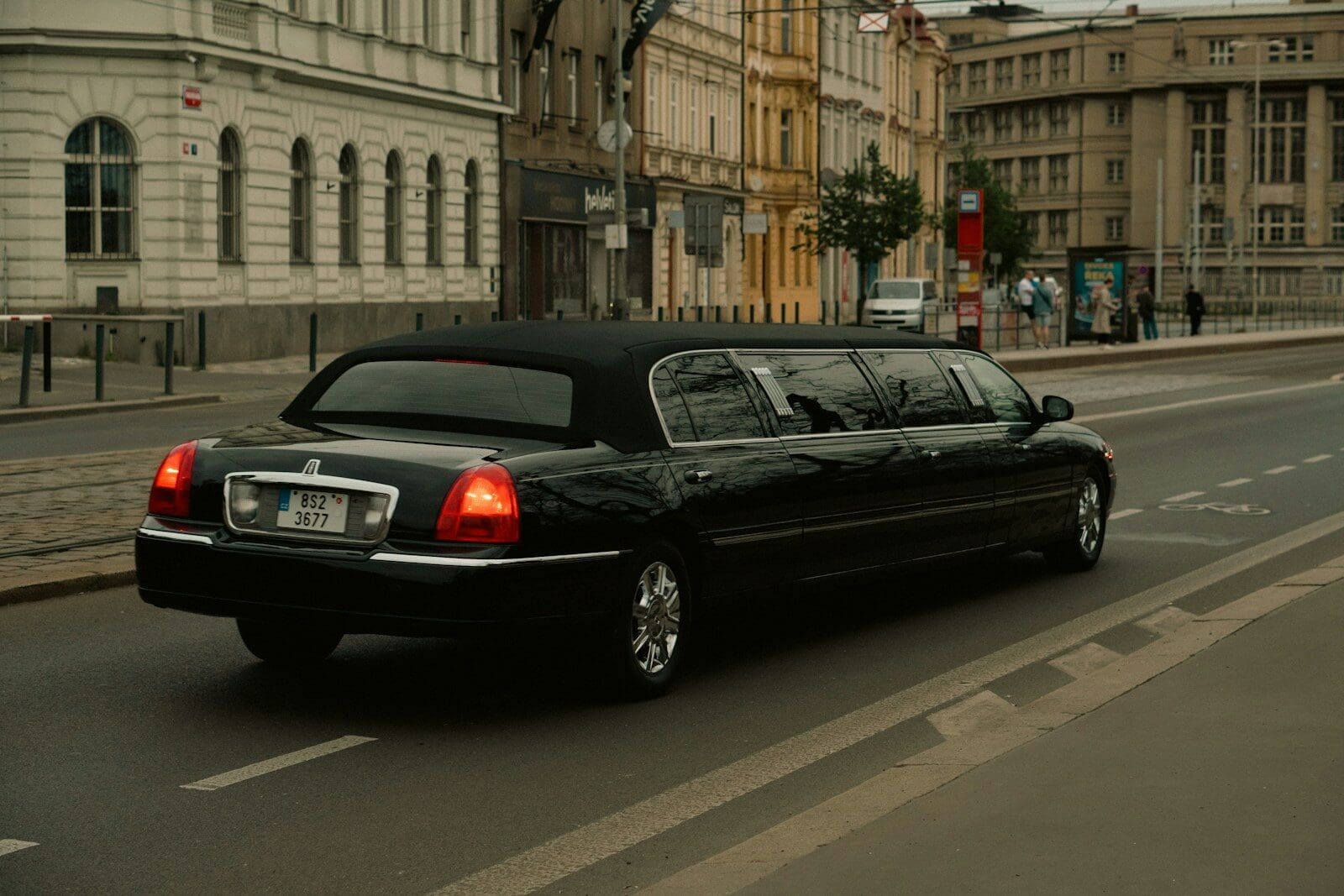
Wedding, Airport or Prom Limousine Service: Does Your Insurance Cover Every Type of Trip?
A limo owner once told us about the worst phone call of his career. It came on a Saturday in June, forty minutes after he dropped a bridal party at a vineyard. A guest had slipped getting out of the stretch, hit her head on the curb, and the family wanted to know who was paying. His policy had been in force for years. He assumed that settled it.
It did not settle it quite the way he hoped, and the reason is worth understanding before your own busy season starts. Limousine insurance is rarely one flat promise that applies the same way to every booking. A wedding, an airport transfer and a prom night put different people in your vehicle, in different places, doing different things. Policies can treat those situations differently.
Why the type of trip matters to an insurer
An underwriter does not only look at your car. They look at how it gets used: who rides, where you drive, how long the trip runs, and what happens inside the cabin. Two limousines can be identical on the lot and carry very different risk on the road.
A corporate airport run is usually predictable. One or two adults, a known route, a set pickup time. A wedding day tends to be longer, with several stops, champagne, and passengers who are tired, emotional and not paying attention to their footing. Prom is its own animal. Teenagers, a group of eight or ten, music turned up, and parents who are not in the car.
None of this means a policy will refuse one of these jobs. It means the details of your application and your endorsements need to match the work you actually do.
The base layer: what most limo policies include
Most operators start with commercial auto liability. This is the coverage that responds when your vehicle injures someone or damages their property. Physical damage coverage, often split into collision and comprehensive, handles repairs to the vehicle itself. Many policies also include medical payments for passengers.
In California, for-hire limousines are generally regulated as charter-party carriers by the California Public Utilities Commission, and the CPUC sets minimum liability limits that go up as seating capacity increases. A stretch SUV that seats fourteen faces a much higher floor than a sedan. Those limits change over time, so check the current figures with the CPUC or with your agent rather than relying on an old number you remember.
Meeting the state minimum keeps you legal. Whether it keeps you protected is another matter, because a serious injury claim can climb past a minimum limit quickly.
Weddings: where alcohol and long days create gaps
Weddings are often a limo company’s best revenue, and they are also where coverage questions pile up.
Start with alcohol. If you let passengers drink in the vehicle, or you supply the bottles, liquor liability becomes a real concern. Many standard commercial auto policies exclude or limit claims connected to alcohol service. Some operators carry a separate liquor liability endorsement, and some policies only respond if you are not the one providing the drinks. The wording matters a great deal here, so read it or have your agent read it with you.
Then think about the passengers themselves. Wedding parties include elderly relatives, kids in formal shoes, and people in long gowns climbing in and out of a vehicle. Slip-and-fall claims at the curb are common, and they raise the question of whether your medical payments limit is realistic.
Decorations deserve a mention too. Florals, ribbons and signs attached to a vehicle can scratch paint or interfere with visibility. Damage you cause to a venue gate or a rented tent while positioning the vehicle is a property damage question, not a vehicle repair question.
Finally, ask about time. Some policies set radius or mileage assumptions. A wedding that runs from a church in Pasadena to a reception in Temecula, with a photo stop at the beach, can push past the area you described when you bought the policy.
Airport service: permits, schedules and shared responsibility
Airport work looks simple, but it comes with its own paperwork. Major California airports typically require operators to hold permits and to show proof of insurance, sometimes naming the airport authority as an additional insured. If your policy does not allow that, you may find out at the worst time, when a permit renewal stalls.
Traffic is the other piece. Terminal curbs are crowded, drivers are rushed, and low-speed collisions happen daily. Those are the claims a standard policy was built to handle, so airport transfers are usually the most straightforward trip type to insure. The exception is a booking arranged through a third-party platform or a partner company. If you subcontract a ride to another operator, or you take overflow work from someone else, ask about hired and non-owned auto coverage. A vehicle you do not own, driven by someone who does not work for you, can sit outside a basic policy.
Also check how your policy views waiting time. A driver idling at arrivals for ninety minutes because of a delayed flight is still on the clock, and your policy should treat it that way.
Prom and teen groups: the one that makes agents nervous
Plenty of insurers handle prom without any fuss. Others ask pointed questions, and it is better to hear them now than after a claim.
The central concern is minors. Passengers under eighteen change how an insurer thinks about supervision, consent and liability. Some operators require a signed parent agreement and a stated no-alcohol, no-drugs policy for every youth booking, and some insurers ask to see it. If a student gets hurt, or if something happens inside the vehicle that the driver could not see, that paperwork can shape the outcome of the claim.
Group size is the other factor. A limo bus carrying twenty teenagers sits in a different seating tier than a six-passenger town car, and your limits need to follow the vehicle. A driver who is also expected to act as chaperone is a gray area worth sorting out in writing.
If your company books a lot of prom nights, tell your insurer plainly. Underwriters tend to react better to an operator who volunteers the information than to one whose claim reveals it.
Questions to put to your agent before the next busy season
You do not need to become an insurance expert. You do need a handful of straight answers. Consider asking:
- Does my policy cover every event type I book, or does it name specific ones?
- What are my liability limits compared with the current CPUC minimums for my vehicle sizes?
- If passengers drink in the vehicle, what responds and what does not?
- Am I covered when I subcontract a trip or use a driver’s own vehicle?
- Can I add an airport authority or a venue as an additional insured, and what does it cost?
- How does the policy treat passengers under eighteen?
- Are there radius, mileage or time-of-day limits I should know about?
Write the answers down. When a claim happens, the memory of a phone call counts for very little compared with a document in your file.
A short note on documentation
Good paperwork protects you almost as much as good coverage. Keep signed rental agreements, passenger lists for large groups, and records of any alcohol policy you enforce. Photograph the vehicle before and after each event. These habits take a few minutes and often decide whether a disputed claim goes smoothly.
The takeaway
You can carry a perfectly valid limousine policy and still have blind spots, because wedding, airport and prom bookings stress it in different places. The goal is not to avoid those trips. They are good business. The goal is to know, before the phone rings, which situations your policy covers well and which ones need an endorsement or a higher limit.
If you are not sure where your own policy stands, the team at Cal Society Insurance can walk through your bookings with you and compare them against what your coverage actually says. A short conversation now is much easier than the Saturday-night version later.
Categories: Blog, Commercial Auto
Tags: airport limo service insurance, charter-party carrier insurance California, commercial auto insurance for limousines, hired and non owned auto coverage, limo insurance coverage, Limousine Insurance, liquor liability limo, prom limo insurance, wedding limousine insurance