
mayo 12, 2026
olua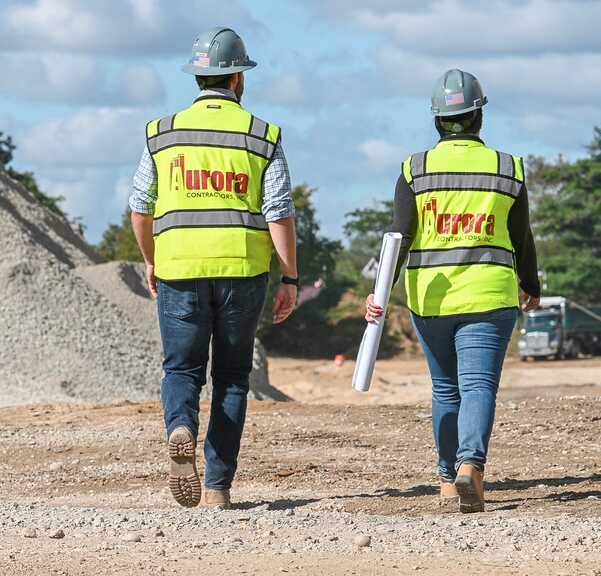
Best Risk Management Practices for Contractors
In the construction world, risk isn’t just a rare occurrence, it’s a constant companion. From accidents on the job site and disputes over contracts to cash flow challenges and regulatory fines, contractors are constantly navigating a minefield of potential pitfalls that can affect their bottom line and long-term viability. For contractors, risk management is all about having a systematic approach to spotting, assessing, and controlling risks at every stage of a construction project. Those who adopt solid risk management strategies don’t merely sidestep losses; they create businesses that are stronger and more resilient. This guide highlights the best risk management practices for contractors, helping to minimize liability, boost operational efficiency, and safeguard revenue. What is Risk Management for Contractors? In the construction sector, risk management means taking a proactive stance to identify possible threats, whether they’re financial, legal, operational, or safety-related, and putting systems in place to lessen their impact. Key Objective: Shield the business from losses while maintaining project flow and compliance.
- Conduct a Comprehensive Risk Assessment: Every project comes with its own set of risks. Without a thorough assessment, contractors are essentially flying blind. Key Risk Categories: Jobsite safety hazards, Contractual liabilities, financial risks (like delays and cost overruns), Compliance and regulatory risks Subcontractor performance risks. Best Practice: Develop a construction risk management plan that covers: Risk identification, Probability and impact analysis, Mitigation strategies, Assigned responsibilities. This shifts your strategy from being reactive to proactive.
- Strengthen Contract Management: One of the most significant legal risks in construction stems from poorly crafted contracts. Common Contract Risks: Vague scope of work Unfavorable indemnity clauses Undefined payment terms Weak dispute resolution clauses. Best Practice: Have a construction attorney review your contracts Clearly outline scope and responsibilities Ensure fair risk distribution Align contract insurance requirements with your policies. Strong contracts are your first line of defense.
- Implement Strict Jobsite Safety Programs: When it comes to safety, it’s all about keeping costs down and minimizing risks. Why It Matters: – Cuts down on workers’ compensation claims – Helps avoid project delays – Reduces insurance premiums – Ensures you’re following regulations Core Safety Measures: – Daily toolbox talks – Enforcing PPE (Personal Protective Equipment) – Regular equipment inspections – Incident reporting systems. Best Practice: Create and stick to a written safety program for all your projects.
- Properly Vet and Manage Subcontractors: Subcontractors can lighten your load, or add to your liabilities. Major Risks: – Subpar workmanship – Missed deadlines – Insufficient insurance coverage – Safety violations Best Practice: Before bringing on any subcontractor: – Check their licenses and experience – Ask for Certificates of Insurance (COI) – Make sure they have adequate coverage limits Critical Requirement: Ensure subcontractors: – List you as Additional Insured – Provide a Waiver of Subrogation This is a crucial strategy for transferring risk in construction.
- Keep Your Insurance Coverage: Up to Date Insurance is a crucial part of managing risks for contractors. Essential Policies to Have: – General Liability Insurance – Workers’ Compensation Insurance – Commercial Auto Insurance – Builder’s Risk Insurance – Professional Liability Insurance – Umbrella/Excess Liability Common Pitfall: Many contractors fall into the trap of being underinsured or having gaps in their coverage, which can leave them vulnerable. Best Practice: Make it a habit to review your insurance annually to: – Adjust your coverage limits – Spot any exclusions – Ensure your policies match the size and risk of your projects.
- Enhance Your Financial Risk Management: Financial instability is often a risk that gets overlooked in the construction industry. Key Financial Risks: – Cash flow issues – Late payments – Budget overruns – Inaccurate project costing. Best Practice: – Implement project-based accounting systems – Keep an eye on job costs in real time – Maintain 3 to 6 months’ worth of operating reserves – Avoid taking on too many large projects at once Staying disciplined with your finances is key to long-term success.
- Keep Thorough Documentation: Having proper documentation is essential for resolving disputes and defending claims. What to Document: – Contracts and agreements – Change orders – Daily jobsite reports – Safety incidents – Client communications. Best Practice: Utilize digital tools to keep: – Time-stamped records – Photo documentation – Communication logs in legal disputes, having solid documentation can make all the difference.
- Embrace Technology for Better Risk Awareness: Today’s contractors are using technology to minimize uncertainty. Tools Worth Considering: – Project management software – Risk tracking dashboards – Drone inspections – Safety monitoring systems. Benefit: Having access to real-time data enables quicker decision-making and improved control.
- Foster a Risk-Aware Company Culture: Risk management isn’t just a set of rules, it’s a way of thinking. Here are some strategies to implement: – Regular training for employees – Holding supervisors accountable – Establishing open systems for reporting hazards – Offering incentives for safety compliance A robust culture can significantly cut down incidents and boost efficiency.
- Create a Business Continuity Plan: Unexpected disruptions can throw a wrench in operations and lead to financial losses. Here are some potential disruptions to consider: – Accidents – Natural disasters – Supply chain hiccups – Economic downturns. Best Practices: Develop a continuity plan that covers: – Emergency response procedures – Backup suppliers – Communication strategies – Financial contingency plans
Internal Resources for Contractors: To further enhance your risk management approach, look into: – Strategies for reducing workers’ compensation risks – Guides on contractor insurance coverage – Legal risk management tailored for construction businesses
Final Thoughts: Risk Management as a Competitive Edge The most successful contractors aren’t those who shy away from risk; they’re the ones who know how to manage it effectively. By adopting these risk management practices, you can: – Lower your liability exposure – Enhance project delivery – Boost financial performance – Build lasting trust with clients
If your construction business is running without a solid risk management strategy, you’re putting your profits at risk. Now’s the time to take action.
- Review your contracts
- Audit your insurance coverage
- Strengthen your safety protocols
Or even better, get a professional risk assessment customized for your business.
📞 Call us today at 1-800-773-1663
🌐 Visit: www.calsociety.com
Remember, in construction, the cost of ignoring risk is always steeper than the cost of prevention.
Top of Form
Bottom of Form